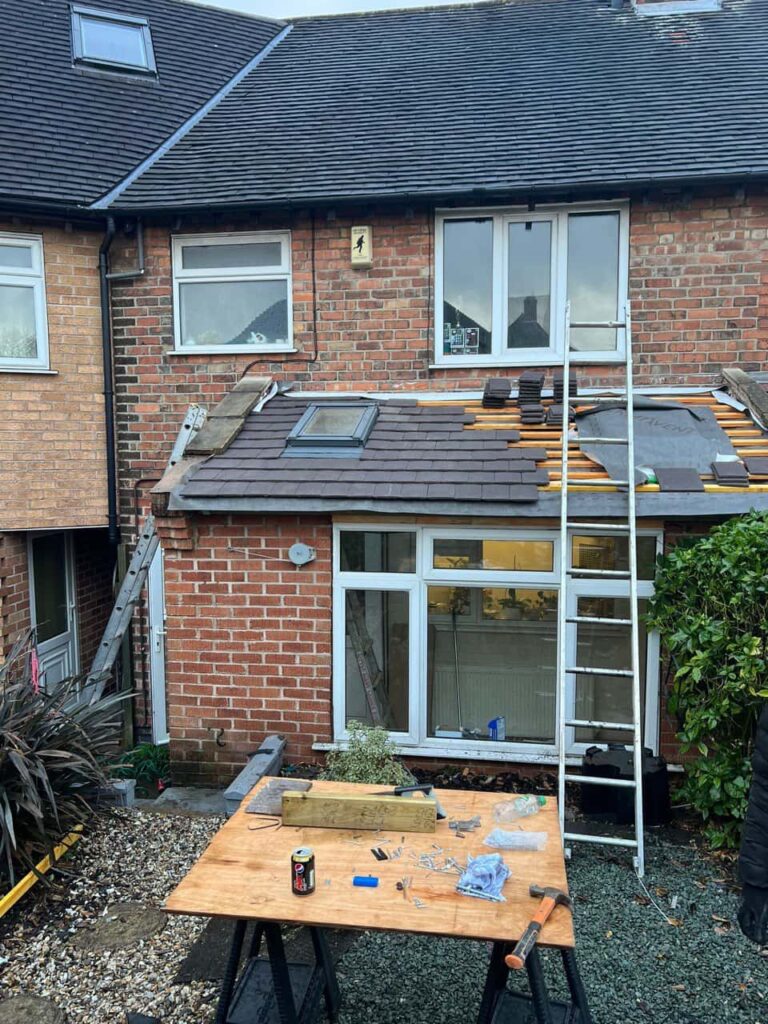
Roof leaks rarely begin with dramatic failures or easily visible damage. More often, they start in the smallest gaps—tiny openings that may seem insignificant but allow water to find its way into the roofing structure. Once moisture enters, it can travel far beyond the original entry point, making leaks difficult to trace and even harder to control without professional help.
At LJ Roofing Penhill in Penhill, Wiltshire, we help homeowners understand why these small gaps matter and how early intervention can protect the home from further damage.
Minor Gaps Can Quickly Become Major Problems
Even the smallest gaps create an entry point for water. While the opening may be barely visible, persistent rainfall, wind-driven moisture, and changes in temperature can steadily push water deeper into the roof.
These gaps often form due to:
- Slightly lifted or displaced tiles
- Fine cracks around flashing
- Shrinkage of older materials
- Minor movement within the roof structure
Because the gap is usually small, homeowners often don’t notice the problem until moisture has already spread into underlying layers.
Water Travels in Unexpected Ways
Once water enters through even the tiniest opening, it can move along the roof’s internal layers, making it difficult to detect the original source. Moisture may drip into ceilings, run down rafters, or gather in hidden areas long before a visible leak appears.
This behaviour is why professional inspections are essential—tracing hidden water paths requires experience and an understanding of how roofs react to moisture.
Small Gaps Are Often Located in Vulnerable Areas
Certain areas of the roof are more prone to developing small gaps, including:
- The edges of tiles
- Flashing around chimneys and ventilation points
- Valleys where two slopes meet
- Ridge and hip joints
- Roof penetrations such as vents or skylights
These areas experience more movement, stress, or weather exposure, making them common points of failure.
Weather Magnifies the Issue
UK weather conditions, especially in places like Penhill where wind and rainfall are frequent, can intensify the impact of tiny gaps. Strong winds lift tiles slightly, allowing rain to be driven underneath, while freezing temperatures can enlarge cracks as water expands when it freezes.
Without timely attention, these seasonal effects accelerate wear and widen the initial opening.
Lack of Routine Maintenance Allows Gaps to Develop
Many small gaps appear gradually over time. Without routine inspections, these problems often go undetected. A minor tile shift or a hairline crack may seem harmless, but with repeated exposure to the elements, they can quickly lead to internal moisture penetration.
Regular maintenance is the key to spotting these early signs and addressing them before they escalate.
Professional Intervention Prevents Further Issues
A trained roofing specialist can identify even the smallest weaknesses that are difficult to spot from the ground. By repairing gaps early, you can prevent:
- Moisture reaching the underlay
- Damp patches forming internally
- Structural components becoming weakened
- Larger, more disruptive repairs in the future
Professional support ensures that the roof remains watertight and capable of withstanding changing weather conditions.
Conclusion
Roof leaks often begin in tiny gaps that go unnoticed until they develop into much larger problems. Understanding how these gaps form—and why they matter—is essential for keeping your roof in strong condition.
If you want to protect your home from hidden weaknesses, LJ Roofing Penhill in Penhill, Wiltshire is here to help. Get in touch today to arrange an inspection and ensure your roof is fully safeguarded against small but significant gaps.
Call us on: 01793 569 094
Click here to find out more about LJ Roofing Penhill
Click here to complete our contact form and see how we can help with your roofing needs.