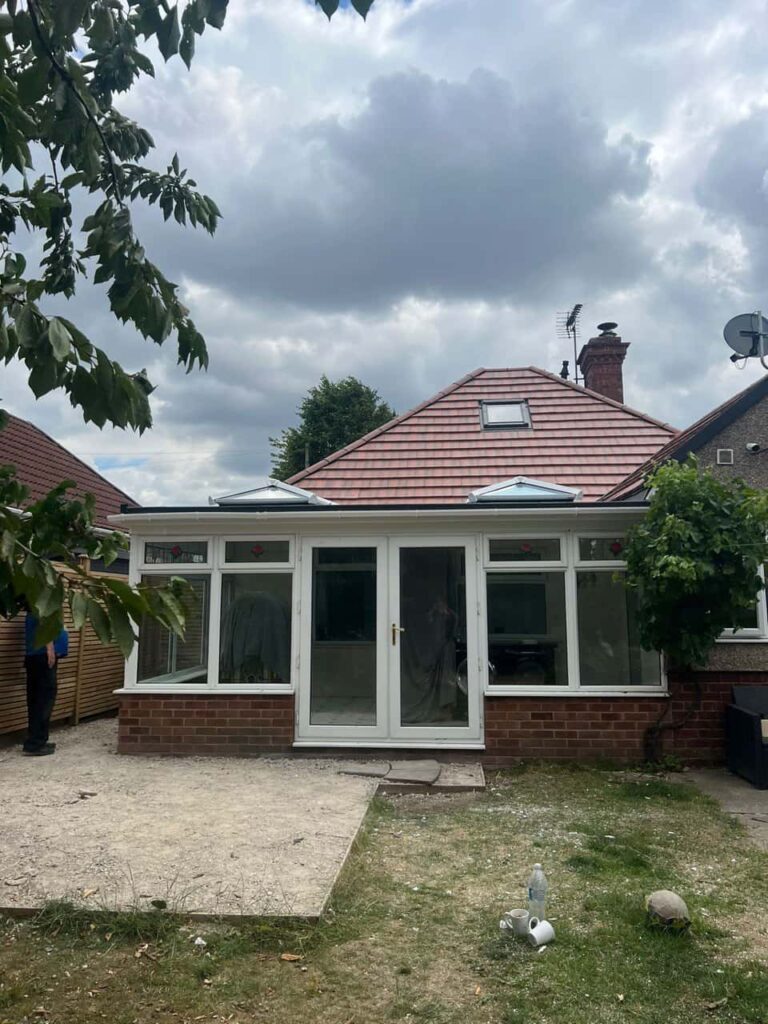
A roof leak does not need to release a large amount of water to create a significant problem. A slow drip or occasional damp patch may appear minor, particularly when it only becomes visible during heavy rain. However, even limited water ingress can gradually affect materials that were designed to remain dry.
Much of the resulting deterioration may develop above ceilings, behind walls or within the roof structure before obvious internal damage appears. For property owners in Penhill, Wiltshire, arranging a professional inspection when the first warning signs emerge can help contain the issue and prevent a localised defect from spreading.
Why Even a Minor Roof Leak Requires Attention
The seriousness of a leak is not determined solely by the amount of water visible inside the property. Its location, duration and route through the roofing system are equally important.
Water Can Travel Away From the Original Defect
The damp patch inside a room may not sit directly beneath the point where water entered the roof. Moisture can travel along the underlay, rafters, battens and fixings before reaching a ceiling or wall.
This makes roof leaks difficult to diagnose from internal signs alone. Repairing the area above the visible stain may fail to resolve the problem if the true defect is located elsewhere.
Roof Timbers Can Be Affected Gradually
Structural roof timbers are generally protected by the roof covering and underlay. When a leak repeatedly introduces moisture into the same area, the timber may remain damp for extended periods.
This can lead to staining, distortion and deterioration. Because the affected components are often concealed, the problem may not be noticed until the leak has been present for some time. Early diagnosis limits the period during which moisture can reach these important parts of the roof.
Insulation May Hold Moisture
Roof insulation can absorb or trap water, allowing dampness to remain after the rain has stopped. Wet insulation may become compressed and perform less effectively.
It can also spread moisture over a broader area than the original leak. Replacing a damaged tile without checking the materials below may therefore leave wet insulation or other concealed damage unaddressed.
Ceilings and Internal Finishes Can Deteriorate
Small leaks commonly reveal themselves through discoloured patches, flaking paint or changes to the ceiling surface. Continued moisture exposure can cause plasterboard and decorative finishes to soften, swell or break down.
A mark that appears dry between periods of rain should not be assumed to have resolved itself. The roof defect may still be active but only allow water through under particular wind and rainfall conditions.
Damp Conditions Can Encourage Mould
Poorly ventilated roof spaces can take time to dry after water enters. Persistent dampness may encourage mould growth on timber, insulation and internal surfaces.
Cleaning the visible mark does not remove the source of the moisture. The leak must first be traced and repaired, with the affected area then given an opportunity to dry properly.
Nearby Roofing Components May Also Deteriorate
A small opening can affect more than the component where it began. Water entering through a cracked tile may reach the underlay and battens, while defective flashing can allow moisture into the adjoining roof covering or chimney area.
The longer water remains able to enter, the greater the possibility that connected materials will be affected. This is why effective repairs should include an inspection of the surrounding section rather than addressing only the most visible defect.
Common Causes of Small Roof Leaks
Minor water ingress can originate from several areas, including:
- Cracked, slipped or missing roof tiles
- Damaged or incorrectly positioned flashing
- Deteriorated mortar around a chimney
- Defects at roof valleys and junctions
- Split or lifted sections of flat roofing
- Blocked outlets or overflowing gutters
- Worn seals around roof penetrations
- Damaged underlay beneath an apparently sound covering
Some of these faults are difficult to see from ground level, making professional roof access and diagnosis important.
Why a Leak May Appear to Stop
A roof leak can seem to disappear when the weather becomes drier or when rain falls from a different direction. This does not necessarily mean that the defect has closed.
Water may only enter when wind drives rain beneath a loose tile, when rainfall exceeds the capacity of a damaged drainage point or when moisture reaches a particular level. A leak that occurs intermittently still indicates a weakness in the roofing system.
Temporary Patches May Conceal the Problem
Applying sealant or covering the suspected area can sometimes reduce the immediate signs of a leak, but it may not provide a lasting repair. If the source has been identified incorrectly, water can continue entering beneath the patched surface.
A dependable solution requires the affected area to be inspected, the underlying cause established and the repair integrated correctly with the existing roof.
The Value of Early Professional Diagnosis
A small roof defect may require only focused repair work when it is identified promptly. Accurate diagnosis helps avoid unnecessary disturbance to sound parts of the roof while ensuring that damaged surrounding materials are not overlooked.
LJ Roofing Penhill can inspect roof leaks in Penhill, Wiltshire, trace the likely route of water ingress and determine which components require attention. This provides a clear basis for completing the appropriate repair rather than repeatedly treating internal symptoms.
Conclusion
A small roof leak can cause serious property damage when it remains undetected or unresolved. Moisture may spread through insulation, roof timbers, ceilings and adjoining components before the full extent of the problem becomes visible.
Damp patches, staining and occasional drips should therefore be treated as early warnings rather than minor inconveniences. If you have noticed signs of a roof leak in Penhill, Wiltshire, contact LJ Roofing Penhill to arrange a professional assessment and identify the source before further deterioration develops.
Call us on: 01793 569 094
Click here to find out more about LJ Roofing Penhill
Click here to complete our contact form and see how we can help with your roofing needs.